
2025 Garage Price Guide: Common Specifications, Types, and Prices
Garages have become an essential component of modern American properties, serving not only as shelters for vehicles but also as secure storage areas and even versatile workspaces. As practical as garages are, their construction or purchase costs vary dramatically depending on type, size, materials, and features. These differences can lead to unexpected budget overruns or delays if not properly understood in advance. By exploring common garage specifications, standard configurations, the main factors driving costs, and real ways to save money, this guide offers a clear foundation for planning the right garage project—whether it’s for a new build, upgrade, or replacement.
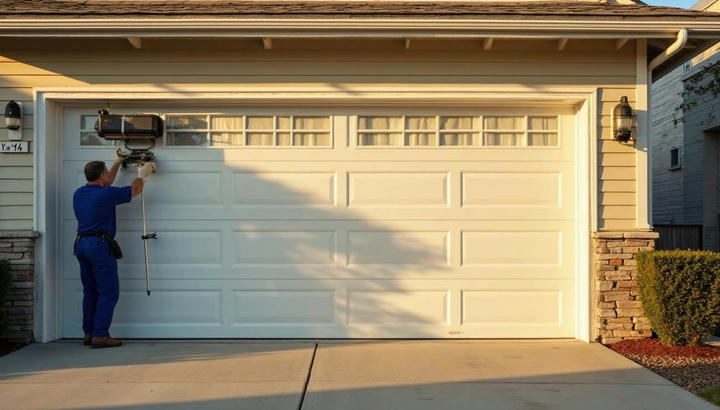
Garage Specifications and Common Types
The diversity in garage types reflects the variety of homeowner needs across the United States. The most prevalent garage configurations are:
- Single-car garages: Typically measuring 12 to 18 feet in width and 20 to 30 feet in depth (240–540 square feet), designed for one vehicle without much extra space for storage.
- Two-car garages: Ranging from a compact 20×20 feet (400 sq. ft.) to a spacious 24×30 feet (720 sq. ft.), accommodating two vehicles and some additional space for belongings.
- Three-car garages: These can extend from 30×20 feet up to 36×30 feet (600–1,080 sq. ft.), ideal for households with multiple vehicles, extra equipment, or hobby areas.
Garage construction styles include:
- Detached garages: Positioned away from the house, offering flexible design and location, greater expansion opportunities, and easier conversion into workshops or accessory living units.
- Attached garages: Built as an extension of the main home, providing convenient access and potentially lower costs by sharing existing walls and utility lines.
- Prefabricated garages: Delivered as fully assembled units or kits, pre-built off-site for rapid installation and more predictable costs.
- Pole barn/metal garages: Utilizing metal or post-frame construction, providing cost-effective solutions for larger or utilitarian spaces.
Material selection plays a vital role in both appearance and function. Wood-framed garages with wood or vinyl siding remain classic, while steel or aluminum options are valued for their resilience and low upkeep. For those seeking unbeatable longevity and fire resistance, brick and concrete block construction stand out—though with a heftier price tag.
Garage Price Ranges by Size and Type
Garage costs can swing widely based on key factors including square footage, labor, and design. A breakdown of current typical costs shows:
| Garage Type | Size | Price Range |
|---|---|---|
| Single-Car Detached | 240–540 sq. ft. | $8,600 – $56,800 |
| Two-Car Detached | 400–720 sq. ft. | $11,140 – $67,800 |
| Three-Car Detached | 600–1,080 sq. ft. | $15,260 – $92,700 |
| Prefab Metal Garage | 400–720 sq. ft. | $5,000 – $20,000 |
| Attached (2-Car) Garage | 400–720 sq. ft. | $11,140 – $60,400 |
| Pole Barn Garage | Large (1,200+ sq. ft.) | $15,000 – $30,000 |
Note: These estimates assume basic setups. Customization such as premium siding, finished interiors, advanced insulation, or built-in heating and electrical can considerably increase final costs. Labor, frequently 50% or more of the bill, also varies based on local market conditions and project complexity.
Key Factors Influencing Garage Prices
Costs are determined by more than just square footage and number of bays. Crucial additional factors include:
- Foundation: Almost all garages require a slab or similar base. Concrete foundations commonly run $6–$12 per square foot, with gravel or asphalt sometimes lowering costs but presenting trade-offs in durability or maintenance.
- Material Choices: Standard stick-built (wood) garages cost more per square foot than metal models, but metal offers long-term savings via reduced maintenance and better resistance to moisture and pests.
- Labor: Traditional garage labor can be as high as $40 per square foot in some areas, while metal garage construction might cost $3–$5 per square foot due to simpler designs and faster assembly.
- Features: Costs for electricity ($4–$9 per square foot for rough-in), plumbing ($4.50–$6 per square foot), windows ($580–$950 each), insulation ($0.47–$4.50 per sq. ft.), garage doors (single: $735–$2,743; double: $1,013–$3,674), and even garage door openers ($440–$750 per unit) add up quickly.
- Permit and Regulatory Fees: Building permits are essential, usually costing $150–$500 but rising depending on project size and region. Some local jurisdictions require additional reviews, especially for projects in regulated communities or dense neighborhoods.
- Customization and Upgrades: Adding workshop space, climate control, custom architectural details, or complex roofing all contribute to rising expenses.
Cost-Saving Strategies for Your Garage Project
Smart planning can yield real expense reductions:
- Opt for prefabricated or kit garages, as these are generally much less expensive in both labor and material costs than fully custom, on-site builds.
- Select standard sizes and rectangular layouts to avoid extra costs for custom shapes, foundations, or doors.
- Simplify the design—fewer windows, standard garage doors, and common roofing materials mean fewer headaches (and bills).
- Schedule construction during off-peak seasons—contractors may offer lower rates during slower periods.
- If practical, handle non-structural tasks like site preparation or finishing interiors independently.
- Compare quotes from multiple builders, and ask about bundling features or services for a better rate.
Permit, Regulation, and Other Ongoing Costs
After construction, new garage owners should prepare for long-term costs:
- Permitting: Most regions mandate detailed plans and inspections throughout the building process, with fees ranging due to project scale and local regulation.
- Property Taxes: Adding garage space typically increases assessed home value, potentially raising annual taxes by $100–$500 depending on local rates and garage size.
- Homeowners Association Constraints: Communities with an HOA often require design approvals and may charge separate fees for garage additions.
In Summary
Understanding today’s garage specifications, types, and current price estimates is the foundation for effective project planning. By considering the interplay of size, method, materials, and regulatory obligations, home and property owners gain a realistic view of total costs. Careful value engineering—combining cost-saving choices with necessary features for long-term utility—ensures that the final garage solution is both functional and financially sound. Investing time in thorough preparation and research will translate into a durable structure that meets both immediate and future needs.