
A Complete Guide to Australian Disability Support Worker Courses and Stable Employment
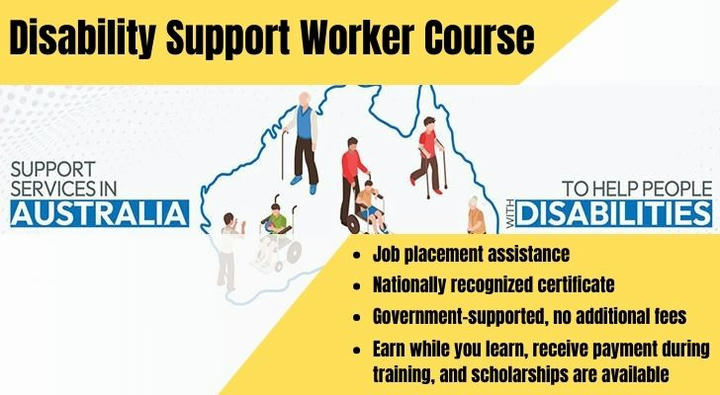
In Australia, the need for skilled disability support workers continues to grow as more individuals with disabilities seek personalised care and assistance. To support this expanding demand, various educational institutions—including TAFE NSW—and registered training organisations offer comprehensive courses designed to equip aspiring disability support workers with the essential skills and recognised qualifications for a meaningful career.
These courses not only provide valuable training but also lead to stable employment opportunities within a thriving industry dedicated to enhancing the lives of people with disabilities.
Career Opportunities in the Disability Support Sector
Disability support workers in Australia can find rewarding roles in diverse environments such as residential care homes, community agencies, schools, and private households. Positions commonly available include Disability Support Worker, Residential Support Worker, Community Care Worker, and Disability School Support Officer. Many roles offer flexible working arrangements, including full-time, part-time, and casual employment.
The sector is experiencing a significant skills shortage, particularly in areas like individual support for ageing and disability clients, making employment prospects very promising. With a growing ageing population and increasing demand for disability services nationwide, long-term career growth opportunities abound for qualified support workers.
Overview of Disability Support Worker Courses
TAFE NSW offers a suite of individual support courses specially designed to prepare students for employment in the disability and aged care sectors. These courses focus on imparting practical skills and knowledge essential for providing person-centred care and support.
Certificate III in Individual Support (Disability) – CHC33021-03
This nationally recognised qualification is a vital pathway for those beginning a career as a disability support worker. The course emphasises empowering clients to achieve independence, engage in community life, and pursue personal goals. Graduates may pursue roles such as Disability Support Worker, Residential Support Worker, Accommodation Support Worker, or Respite Worker.
The course comprises 15 units—9 core units covering critical topics like legal and ethical work practices, infection control, and communication, alongside 6 specialty units focused on behaviour support, first aid, and community participation. Training includes practical assessments and a mandatory 120-hour work placement arranged by TAFE NSW, ensuring real-world experience.
Certificate III in Individual Support (Ageing) – CHC33021-02
Targeting those passionate about aged care, this course trains students to assist elderly clients in maintaining dignity and independence. Graduates qualify for roles such as Aged Care Worker, Assistant in Nursing, and Community Care Worker. The qualification addresses the urgent skills shortage in aged care, preparing students for a high-demand workforce.
Certificate IV in Disability Support – CHC43121-01
Building upon Certificate III qualifications, this advanced course develops leadership and specialist skills for empowering people with disabilities. It suits workers aiming to take on greater responsibilities or work in complex care settings. Entry requires prior completion of related Certificate III courses, ensuring students have foundational knowledge before advancing.
Course Delivery and Study Options
TAFE NSW programs offer flexible study modes including full-time and part-time options to accommodate varying life commitments. Courses are delivered face-to-face on campus, featuring immersive and interactive learning environments. For example, the Certificate III in Individual Support (Disability) at the Castle Hill Campus includes 20 hours of weekly classes complemented by 10 hours of private study and work placements.
Facilities at campuses are designed to support student success, providing access to simulated health clinics, libraries, and dedicated student support services such as counselling and disability assistance.
Who Are These Courses Suitable For?
Disability support worker courses are ideal for individuals who find fulfilment in helping others, possess strong communication skills, and are empathetic towards diverse needs. They suit those seeking stable employment in a rewarding sector with opportunities to make a positive difference in people’s lives.
Employment Stability and Future Prospects
With Australia’s ageing population and government initiatives emphasising community-based care, the demand for qualified disability support workers is projected to remain strong. Graduates of these courses benefit from a pipeline of job openings and pathways for career progression into leadership or specialised roles within the sector.
How to Enrol and Eligibility
Applicants can apply directly to TAFE NSW or other registered training organisations. For courses like the Certificate III in Individual Support (Disability), there are typically no stringent entry requirements, making them accessible to school leavers, career changers, and mature-aged students alike.
The enrolment process generally involves selecting a course, confirming eligibility, submitting an application, and completing any required documentation. Upon acceptance, students receive confirmation and can begin their studies.
Conclusion
Pursuing disability support worker courses in Australia offers a practical route into a stable and growing industry. Through well-structured training programs provided by TAFE NSW and other providers, aspiring workers gain essential skills, hands-on experience, and recognised qualifications. These credentials open doors to meaningful employment opportunities that contribute significantly to community wellbeing and individual empowerment.