
Understanding Cataract Surgery Costs: What You Need to Know Before Surgery 💡
Cataract surgery is a common procedure that restores vision affected by cataracts, where the eye’s natural lens becomes cloudy. Many patients are uncertain about the surgery details, eligibility, and costs, which vary by age, location, and lens type. This guide clarifies these aspects, helping you make an informed decision about cataract surgery.
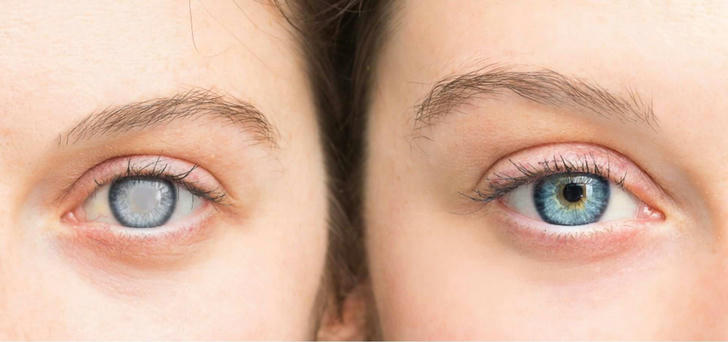
🔍 What Is Cataract Surgery and How Does It Benefit Patients?
Cataract surgery involves removing the eye’s cloudy natural lens and replacing it with a clear artificial intraocular lens (IOL). Usually performed outpatient by an ophthalmologist, it significantly improves vision and life quality.
Techniques:
Phacoemulsification: Ultrasound breaks up the lens for removal (most common)
Extracapsular Surgery: Used for advanced cataracts
Laser-assisted Surgery: Offers increased precision
Lens Options and Costs:
| IOL Type | Vision Correction | Cost Impact |
|---|---|---|
| Monofocal | Single distance (may need glasses) | Lower cost |
| Toric | Corrects astigmatism | Moderate increase |
| Multifocal/Presbyopia-correcting | Multiple distances | Highest cost |
The procedure usually takes under an hour with local anesthesia, allowing for quick recovery and significant vision restoration.
✅ Who Should Consider Cataract Surgery? Key Indicators and Suitability
Ideal candidates often experience vision problems that disrupt daily life, such as:
Blurred or cloudy vision
Light sensitivity
Glare sensation
A thorough eye exam confirms cataract presence and severity. Surgery is recommended when vision impairs quality of life or complicates other eye diseases (e.g., diabetic retinopathy). Candidates are generally healthy, with staged surgery for each eye spaced about a month apart. Mild cataracts can sometimes be monitored before deciding on surgery.
📊 Breakdown of Cataract Surgery Costs Across Age Groups and Regions
Typical Cost Range: $3,400 to $11,700 per eye nationally
Average Out-of-Pocket Cost in the U.S.: About $4,100
Factors affecting cost:
Surgeon expertise and facility type (outpatient centers usually lower cost than hospitals)
Geographic location (higher in California and New York, lower in Mississippi and Arkansas)
Choice of IOL (premium lenses cost $900–$2,500+ extra)
Use of laser technology (may add $1,000+ per eye)
Age influences insurance: patients 65+ usually qualify for Medicare, which covers approximately 80% of standard surgery expenses.
Costs by Age Group:
- 65 and Older: Patients typically qualify for Medicare, which covers about 80% of a standard procedure. Out-of-pocket costs include deductibles, coinsurance, and the full price of premium upgrades (e.g., multifocal lenses, laser technology).
- Under 65: Costs depend on private insurance plans. Out-of-pocket expenses are determined by the plan's deductibles, coinsurance, and specific coverage for premium options.
💼 Navigating Insurance Coverage and Financing Options for Cataract Surgery
Insurance Coverage:
Most private insurers and Medicare cover medically necessary cataract surgery and standard monofocal IOLs.
Premium lenses and laser-assisted procedures often require out-of-pocket payment.
Medicare covers surgery, pre/post-op care, and one set of prescription eyewear; patients pay roughly 20% plus deductibles.
Supplemental Options:
Medigap policies help cover gaps and premium lens upgrades.
Financing options such as healthcare credit cards may be necessary if insurance coverage is insufficient.
It’s crucial to consult your surgeon’s office and insurance providers for detailed cost estimates and coverage specifics before proceeding.
📢 Real Patient Experiences and Common Cataract Surgery Questions
Patient Outcomes:
Most patients report dramatic improvements in vision and quality of life.
Recovery lasts from a few days to weeks, with minor side effects like eye irritation, light sensitivity, or temporary blurriness often resolving quickly.
Common Questions:
| Question | Answer |
|---|---|
| Is cataract surgery safe? | Yes, with low complication rates. Risks like infection are rare. |
| What lens implant should I choose? | Depends on lifestyle and cost willingness; multifocal lenses reduce glasses dependence more. |
| Will I still need glasses after surgery? | Monofocal lenses usually require glasses; multifocal may reduce this need. |
| What about recovery and follow-up? | Follow-up visits and eye exams are important for healing and vision check. |
Summary 🌟
Understanding cataract surgery—from procedure details and candidate suitability to cost breakdowns and insurance options—enables patients to make well-informed choices. This empowers individuals to restore clear vision and enhance daily living quality confidently.