
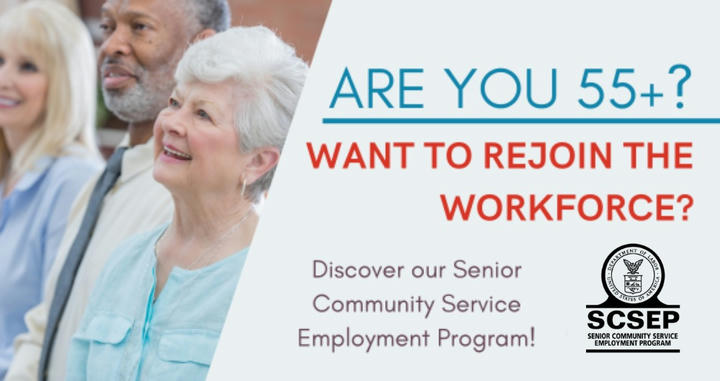
The US SCSEP program: A comprehensive plan to help low-income seniors aged 55 and over return to the workforce.
The Senior Community Service Employment Program (SCSEP) serves as a vital resource for unemployed low-income individuals aged 55 and older across the United States, particularly addressing the hurdles this demographic faces in securing meaningful employment. By offering part-time, paid community service assignments coupled with job training, SCSEP helps participants overcome employment barriers and transition into unsubsidized jobs. The program is administered under federal authority, including the Older Americans Act and Workforce Innovation and Opportunity Act, ensuring a structured approach to support older adults with limited job prospects.
SCSEP Program: Age Group and Job Position Reference Table
| Dimension | Participants Aged 55 - 64 | Participants Aged 65 and Above |
|---|---|---|
| Training Focus | Refreshing skills for workforce reentry; adapting to evolving job roles | Utilizing extensive experience; enabling flexible, part-time work arrangements; mentoring younger workers |
| Community Service | Community Activity Coordination Assistant, Library Digital Resources Assistant | Community Library Reading Room Attendant, Park Recreation Facility Inspector |
| Educational Support | Teaching Equipment Coordinator, After-School Program Assistant | School Cafeteria Monitor, Campus Greening Assistant |
| Social Services | Food Distribution Center Inventory Clerk, Charity Shop Cashier | Senior Center Activity Companion, Community Warmline Operator |
| Administrative Support | Office Data Entry Clerk, Customer Service Representative | Document Filing Clerk, Receptionist |
Program Highlights and Comprehensive Support
Income and Benefits Security
Participants receive wages at or above the federal minimum wage during their training period, ensuring financial support while gaining valuable work experience. The program also provides transportation subsidies to overcome mobility challenges, accident insurance coverage for workplace safety, and necessary work materials to facilitate effective training.
Skills Development System
SCSEP delivers training tailored to modern workplace demands, including instruction on office software, customer service communication, the operation and upkeep of specialized equipment, and education on workplace safety and employees’ rights. This comprehensive approach equips participants with updated competencies to enhance their employability.
Employment Support Services
Through personalized assessments, SCSEP helps participants identify their vocational strengths and goals. The program offers targeted assistance in resume building, interview preparation, job searching techniques, and precise job matching to connect participants with suitable employment opportunities.
Eligibility and Application Process
Basic Eligibility Criteria
Must be 55 years or older
Resident of the United States
Family income at or below 125% of the federal poverty guideline
Currently unemployed and facing barriers to employment
Willing and able to participate in community service training
Application Steps
Prospective participants should contact their local Workforce Development Center to inquire about available positions. Applicants must provide documentation verifying income and residency and complete a vocational assessment. Upon acceptance, participants receive a community service assignment with paid training and supportive services.
Program Impact and Social Significance
Annually, SCSEP assists thousands of low-income older adults in regaining employment confidence and skills. Recent data highlights:
Nearly 80% of participants acquire relevant modern job skills through training
Over 60% secure unsubsidized employment following program completion
More than 90% report improved quality of life and increased self-sufficiency
Employers consistently rate program graduates positively, valuing their reliability and work ethic
Supporting Older Workers Nationwide
SCSEP demonstrates the federal commitment to empowering older adults by safeguarding their right to employment development, recognizing the value of their experience, and fostering inclusive workplaces. The program also addresses specific needs of vulnerable subgroups, including veterans, individuals with disabilities, those with limited English proficiency, and people residing in rural or economically disadvantaged areas.
Conclusion
The SCSEP program stands as a comprehensive solution to the employment challenges faced by older Americans. By combining paid community service, skills training, and individualized support, it enables participants to enhance their job readiness and secure meaningful employment. Eligible individuals are encouraged to explore SCSEP opportunities through local workforce agencies to benefit from this proven pathway toward economic stability and community engagement.