
Quit These Two Habits to Improve Outcomes in Estrogen Receptor-Positive Breast Cancer: A Stage-by-Stage Dietary Guide ✨
Doctors have found that a significant portion of estrogen receptor-positive breast cancer cases can be effectively managed by letting go of just two specific habits. Since nearly 70% of all breast cancer diagnoses in the United States fall into the ER-positive category, understanding how these behaviors affect treatment and what to eat at each stage makes a real difference. This article breaks down what to know about ER+ breast cancer, which habits to quit, and offers stage-specific dietary advice to support every step of the journey. 🔍
Understanding Estrogen Receptor-Positive Breast Cancer and Its Impact 📚
Estrogen receptor-positive breast cancer, often referred to as ER+ breast cancer, involves cancer cells that depend on estrogen to grow and spread. High levels of estrogen in these cells fuel tumor development. Approximately 70% of all breast cancer cases are ER+. This subtype affects both females and males, though it’s more common in females.
Key symptoms include:
- Unexplained lumps or thickening in breast or underarm areas
- Changes in breast size or shape
- Unusual skin texture
- Possible nipple discharge
Diagnosis hinges on laboratory analysis of tumor samples, looking specifically for estrogen or progesterone receptors. The presence of these receptors guides the course of treatment, often involving surgery and hormone therapy. ✅
Stage-Specific Dietary Recommendations for ER+ Breast Cancer Patients 🍽️
Diet supports treatment and quality of life throughout the ER+ breast cancer journey. Here’s what to focus on by stage:
| Stage | Dietary Focus | Tips for Managing Side Effects |
|---|---|---|
| Early Stage | Balanced meals with lean proteins, whole grains, fresh fruits, and vegetables | Opt for small, frequent meals to overcome appetite challenges from surgery or therapy |
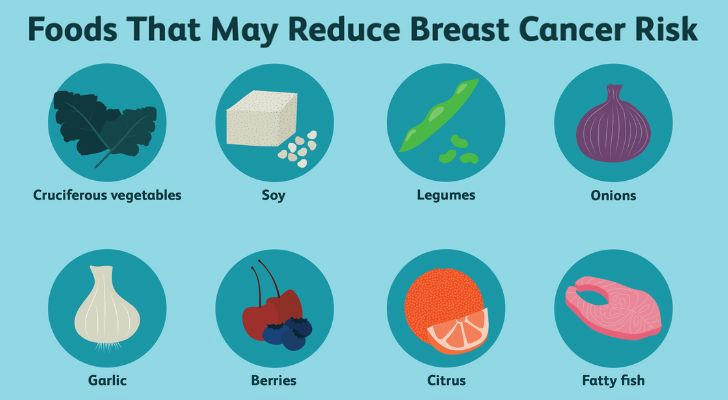
| Later Stage/Recovery | High-fiber foods such as beans, berries, and cruciferous vegetables; limit saturated fats and processed foods | Include lean proteins (fish, chicken) and plant-based omega-3s; hydrate well; snack on Greek yogurt or nuts to ease nausea, joint stiffness |
Limiting processed sugars and saturated fats throughout all stages reduces inflammation, supporting better treatment outcomes. 💡
The Two Habits You Must Quit to Enhance Treatment Success ⚠️
Medical experts have identified two key habits that tend to undermine treatment effectiveness for ER+ breast cancer:
| Habit | Impact on ER+ Breast Cancer |
|---|---|
| Use of Estrogen Plus Progestin Hormone Therapy (EP-HT) | Increases risk of developing breast cancer, especially if used > 2 years; +18% risk compared to non-users |
| Diet High in Refined Sugars and Saturated Fats | Linked to chronic inflammation, lowering therapy effectiveness and increasing recurrence risk |
Notably, estrogen-only therapy (E-HT) users actually show a decreased risk. Quitting unnecessary hormone therapies and unhealthy diets empowers the body to respond better to medical treatment. 🔑
Integrating Medical Treatments with Lifestyle Changes for Better Prognosis 💼
While surgery, radiation, chemotherapy, and hormone therapies remain foundational for ER+ breast cancer care, lifestyle choices add significant benefits:
- Physical Activity: Regular exercise such as walking, yoga, or light resistance training helps combat fatigue, weight gain, and joint pain associated with hormone therapies.
- Rest & Stress Management: Adequate sleep and stress control improve recovery rates.
- Social & Mental Health: Cancer survivorship programs offer vital support for emotional well-being.
More than 90% of females with ER+ breast cancer survive at least five years post-diagnosis, highlighting the power of combining medical and lifestyle strategies. 🚀
Managing Symptoms and Preventing Recurrence through Ongoing Care 🎯
Even though ER+ breast cancer is often less aggressive, recurrence remains a concern, necessitating vigilance:
- Regular check-ups to monitor for new symptoms like pain or unusual physical changes
- Open communication with oncologists regarding the need for continued hormone therapy, which may change over time
- Commitment to self-care: nutritious diet, consistent exercise, rest, and a strong support network
Consistent healthy habits and medical oversight provide the best chance to prevent recurrence and sustain a high quality of life for years to come. ✅