
Understanding Lung Cancer: Prevalence, Types, Symptoms, and Risk Reduction ✨
Lung cancer is known as the "silent killer"—it’s one of the most commonly diagnosed and deadliest cancers around the world. It often lurks quietly at first, catching many off guard, and impacts millions of lives every year. This guide will help you understand how lung cancer develops, the different types there are, the signs to watch out for, and simple ways to lower your risk—so you can take concrete steps to protect your lung health.
📊 How Common is Lung Cancer? Current Statistics and Impact
Lung cancer is a leading cause of cancer-related deaths globally and represents a significant share of new cancer diagnoses annually. It affects people worldwide, driven by lifestyle and environmental factors such as:
- Tobacco smoke
- Air pollution
- Occupational carcinogens
The disease results from uncontrolled growth of lung cells due to mutations triggered by these risk factors. Lung cancer places emotional and financial burdens on patients, families, and healthcare systems. Early awareness about its frequency and impact highlights the importance of targeted prevention and timely detection in public health.
🔍 Exploring Lung Cancer Types: Classifications and Frequency
Lung cancer is primarily classified by cell type and growth behavior:
| Type | Percentage of Cases | Characteristics |
|---|---|---|
| Non-Small Cell Lung Cancer (NSCLC) | ~85% | Includes adenocarcinoma, squamous cell carcinoma, large cell carcinoma. Slower growth. |
| Small Cell Lung Cancer (SCLC) | ~15% | Rapid growth and fast spreading. |
Understanding these types is crucial because they respond differently to treatments and have distinct prognoses. Awareness enables better diagnostic and therapy planning for patients and healthcare providers alike.
📝 Early Detection: Importance of Screening and Diagnostic Methods
Early detection greatly improves lung cancer survival rates. Recommended screening approaches include:
- Low-Dose Computed Tomography (LDCT): Ideal for high-risk individuals (heavy smokers, chronic exposure to harmful substances) to catch cancer before symptoms.
- Diagnostic Tests: May involve sputum cytology, biopsy, and molecular testing to identify cancer type and guide treatment.
Using these tools promptly enables faster, more accurate treatment decisions and improves patient outcomes.
📌 Recognizing the Signs: Common Symptoms of Lung Cancer
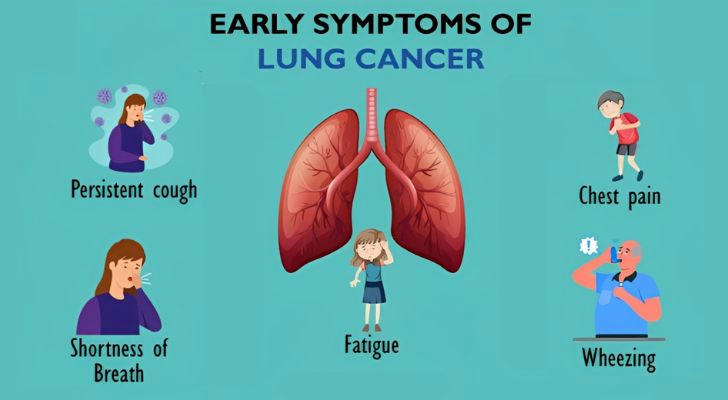
Early lung cancer often shows no symptoms, making detection without screening difficult. As it progresses, watch for key symptoms such as:
- Persistent cough
- Chest pain worsening with breathing or coughing
- Unexplained weight loss
- Shortness of breath
- Coughing up blood
- Recurrent respiratory infections
- Hoarseness
- Ongoing fatigue
These signs can be mistaken for less serious conditions, so prompt medical evaluation is essential for timely intervention.
✅ Practical Steps to Lower Your Lung Cancer Risk
Lung cancer risk is influenced by modifiable and non-modifiable factors:
| Risk Factor | Risk Reduction Strategy |
|---|---|
| Smoking | Quit smoking; avoid secondhand smoke |
| Radon exposure | Regular home radon testing; mitigate if high |
| Occupational hazards (asbestos, carcinogens) | Use protective equipment; adhere to safety regulations |
| Family history | Consult healthcare provider for genetic risk evaluation |
| Lifestyle habits | Maintain balanced diet and regular physical activity |
Addressing these factors actively can significantly reduce lung cancer risk and promote lung health.
Summary 💡
Lung cancer's global prevalence and lethality necessitate awareness of its types, symptoms, and risk factors. Early detection through screening and timely diagnosis improves outcomes. Most importantly, lifestyle changes—especially smoking cessation—and environmental precautions offer the best defense against this disease. By staying informed and proactive, individuals can contribute meaningfully to lung cancer prevention and health protection.