
How to Apply for Housing Assistance Grants for Autism Families in 2025
How can families with children with autism apply for federal housing assistance? What are the eligibility criteria? What does housing assistance include?
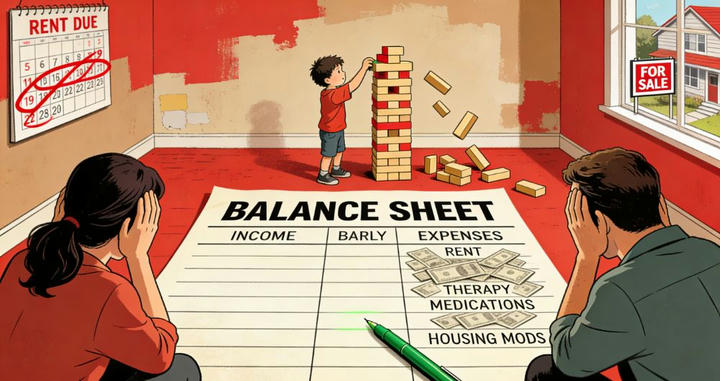
Securing stable, accessible housing is a pressing concern for families supporting children with autism in 2025. Rising costs for rent, home modifications, and supported living arrangements contribute to notable financial strain—especially for households already managing the expenses of therapy and specialized care. Housing assistance grants can offer essential relief, empowering autism families to create safe, nurturing environments tailored to their unique needs.
Understanding Housing Assistance Grants for Autism Families
Housing grants designed for families with autistic dependents provide targeted financial support not only for rent or mortgage payments, but also for home renovations that improve accessibility and sensory comfort. Programs may also help fund placements in supported housing or agency-operated group homes, enabling children or adults with autism to access 24-hour care and social resources.
Grants originate from multiple sources: federal and state government agencies, local authorities, and charitable organizations. Some programs deliver funds directly to families for self-funded home purchases or renovations. Others work through partnership models, where agencies own and operate housing units connected to essential support services. Families may encounter different housing options, including agency-owned homes with specialized staff, or independent living arrangements with self-directed service choices.
Researching Available Grant and Funding Options
The initial step for any family is to thoroughly research the available grant programs. Federal options, such as the Housing and Urban Development (HUD) programs, remain among the most reliable sources of housing assistance:
- Low Income Housing Tax Credit (LIHTC): Supports the development of affordable housing for low- and moderate-income households, including those with disabilities.
- HOME Investment Partnerships Program: Offers formula grants to increase affordable housing opportunities.
- Community Development Block Grants (CDBG): Allow jurisdictions to address local needs, such as funding for accessible housing and related infrastructure.
In addition to HUD, many federal programs require both the ability to pay a portion of rent or mortgage and a social-service plan addressing health and safety needs. Charitable organizations and large donors may also provide funding through established nonprofit channels serving individuals with developmental disabilities. Families who have private resources might explore self-funded housing, combining private and public dollars, loans from community development financial institutions, or support from foundations.
Eligibility Criteria
Every housing assistance program has set eligibility requirements. Families typically must provide:
- Documentation of autism or other qualifying disabilities
- Proof of income and assets (to determine financial need)
- Residency status and location within program boundaries
- Details on medical or behavioral needs—especially when seeking higher-support housing
Some programs further prioritize families at risk of homelessness or living in unsafe environments. For agency-owned housing or day service placements, additional requirements concerning staff interactions, daily activity structure, or medical emergencies may apply.
Preparing Application Documentation
A complete application package increases the chances of approval and reduces delays. Recommended documents include:
- Professional diagnostic reports confirming autism diagnosis
- Proof of income and recent tax returns
- Housing records: lease, mortgage statements, or eviction/unsafe housing documentation
- Letters from healthcare providers or service agencies outlining the necessity for accommodations, behavioral supports, or accessibility modifications
- Detailed cost estimates from contractors if applying for physical home changes
Before applying, families should inventory all available resources: donations, pooled trusts, credit union accounts, insurance policies, or special needs trusts, as these may impact grant eligibility.
Navigating the Application Process
Applications are generally submitted through official authority websites or nonprofit organizations. The process typically involves:
- Researching and choosing suitable grant programs based on personal needs and eligibility
- Gathering required documentation and preparing clear statements of need
- Completing application forms, providing thorough descriptions of current living arrangements, required supports, and anticipated benefits
- Submitting supporting materials such as medical records, plans for home modifications, and letters of support from professionals
- Timely submission within open application periods
Some programs require interviews, in-person home inspections, or additional verification steps by case managers or social workers.
Submission and Follow-Up
Before submitting, review application materials to ensure every section is fully completed and all required documents are attached. Incomplete applications frequently result in delays or denials. Submit before deadlines, and always retain copies—both digital and physical—for future reference or reapplication.
After submission, expect a multi-week review process. Approved families may receive direct housing subsidies, vouchers, or grant funds for home renovations. Unsuccessful applicants can review feedback, make necessary adjustments, and reapply in the next cycle. Some programs maintain waitlists; regular status checks and updated documentation can accelerate future approval.
Building a Supportive Housing Plan
Housing solutions can involve a single-family residence or a shared, community-oriented housing project. For more complex initiatives, developing a team—with roles such as property manager, architect, social service provider, and financial advisor—can add vital expertise in funding, design, and compliance. Most successful projects leverage a blend of local, state, and federal funding sources.
Resources and Next Steps
To begin exploring housing assistance programs, investigate federal opportunities through HUD and Grants.gov. For assistance from nonprofits and community groups, consult networks focused on developmental disabilities or autism advocacy. Evaluate eligibility requirements closely, and consider assembling a professional team if planning a larger or shared housing initiative.
By understanding available resources, preparing thorough documentation, and carefully following application procedures, families can secure stable, accessible housing—and provide individuals with autism the supportive environment they deserve.